Locations:



Studies suggest 1 in 5 people infected with the coronavirus never develop symptoms
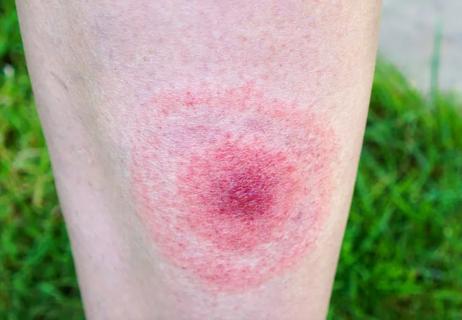
Symptoms can feel like long COVID or the flu, with body aches or even nerve damage
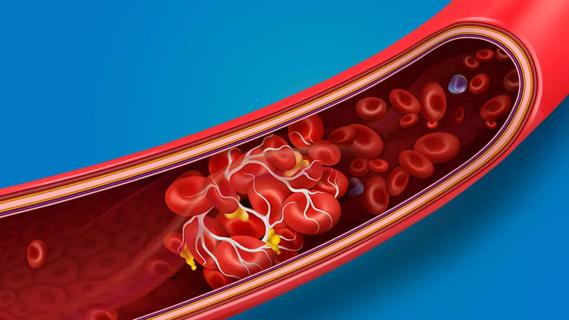
An increased risk of blood clots can last for nearly a year after a COVID-19 diagnosis

The answer varies from person to person and vaccine to vaccine
Advertisement
Cleveland Clinic is a non-profit academic medical center. Advertising on our site helps support our mission. We do not endorse non-Cleveland Clinic products or services. Policy
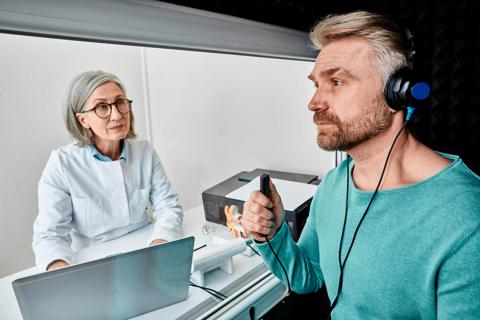
COVID-19 may be associated with tinnitus, but research is still ongoing

The short answer: It’s complicated, but the basic care precautions still prevail, like washing your hands and isolating if you’re sick

Any large social gathering — from a family birthday party to an indoor music concert — has the potential to spread serious infection

Start slowly with clear fluids, and then move to bland, easy-to-digest foods

It’s important to connect with a healthcare provider, get quality sleep and balance your activities with your energy levels
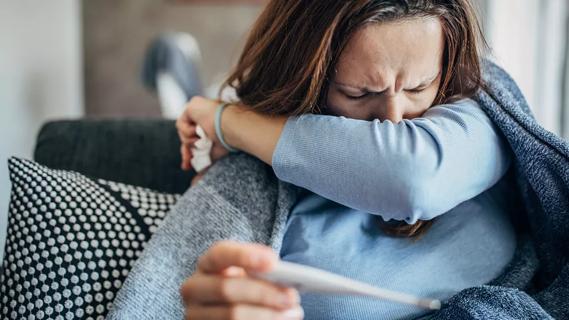
It’s best to treat flu-like symptoms as if you have COVID-19
Advertisement
Advertisement
 Search